

How Much Does A Mural Cost?
A COMPLETE GUIDE TO PLANNING YOUR MURAL BUDGET
THE SHORT ANSWER
One of the first questions nearly every potential mural client asks is: How much will this cost?
As a general planning range, many We Are Limitless Studios mural installations fall between approximately $20 and $40 per square foot. Minimum project rates may apply, and public-art initiatives, community-engaged murals and technically challenging installations may require additional planning and production costs.
This means a 300-square-foot mural might begin somewhere between $6,000 and $12,000. A 1,000-square-foot installation could range from $20,000 to $40,000 or more.
This range is intended to help clients begin planning. It should not be treated as an all-inclusive quote. Design development, extensive preparation, specialized equipment, travel, community programming and other project-specific requirements may be included within or added to the final scope.
These are starting estimates, not guaranteed quotes.
The actual cost depends on the wall, design, location, equipment, schedule and what the project needs to accomplish. A mural is not simply paint applied to a measured surface. It is a custom creative and production project developed for a specific place.
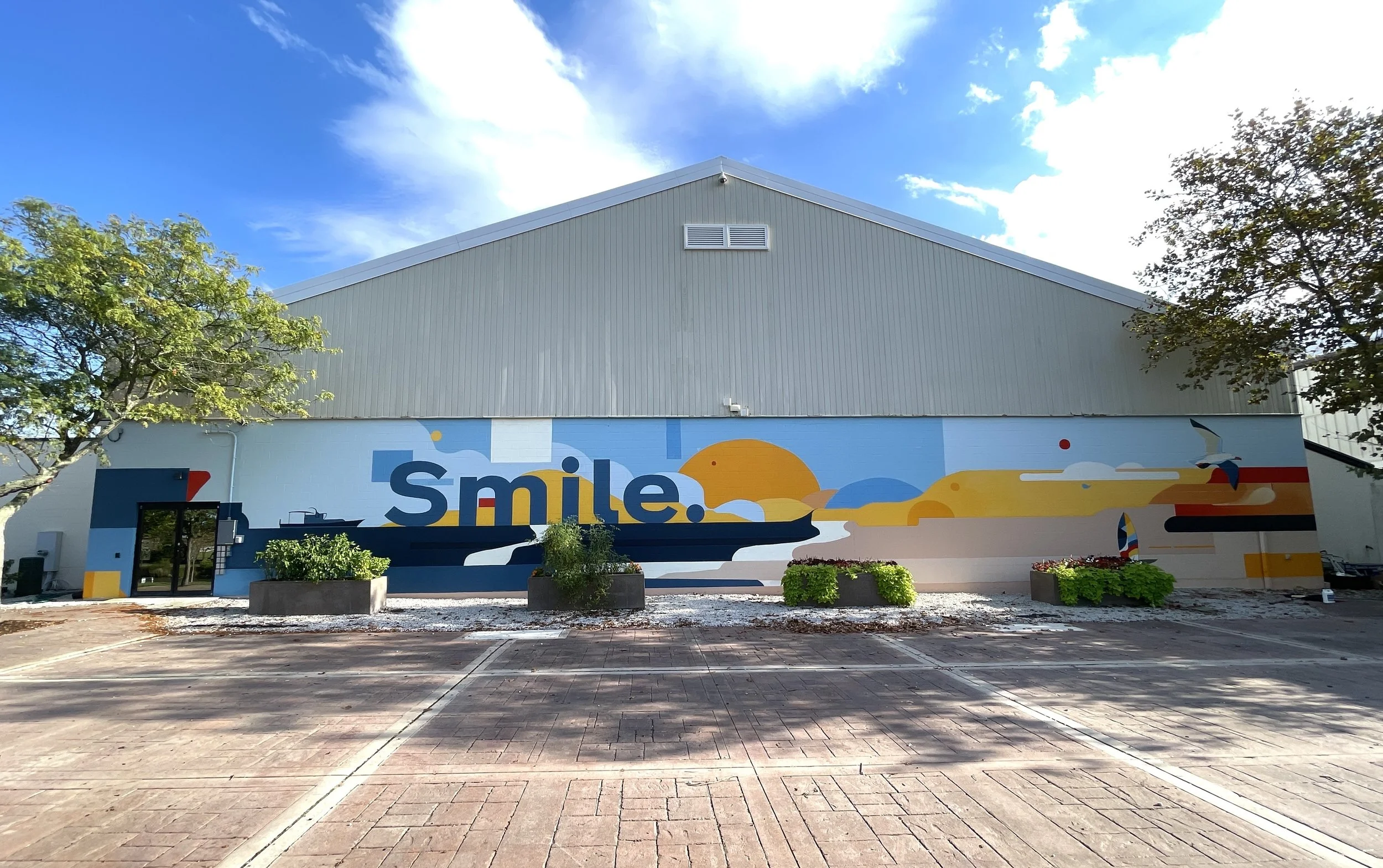
A mural does not have to cover an entire building to transform it. For Something to Smile About in Ocean City, WALS focused the artwork across the lower facade, creating a bold visual experience while allowing the building’s existing architecture to remain part of the composition.
WHY IS THERE SUCH A LARGE DIFFERENCE BETWEEN $20 AND $40 PER SQUARE FOOT?
The difference is based on the amount and complexity of work required to complete the project.
A mural will generally fall closer to the lower end of the range when it includes:
Large areas of solid color
A simplified composition
Fewer colors
Limited lettering or fine detail
A smooth and accessible wall
Minimal surface preparation
Little or no specialized equipment
A project may move toward the higher end of the range when it includes:
Portraits or realistic imagery
Detailed patterns or illustrations
Extensive lettering
Numerous colors and color changes
Brick, corrugated metal or heavily textured surfaces
Significant cleaning, priming or repair
Difficult access
Lifts, scaffolding or specialized equipment
Multiple artists or a compressed schedule
Community engagement or public painting activities
Two walls with the same measurements can therefore have very different costs.
A 1,000-square-foot smooth wall with a bold, simplified design may require fewer production hours than a 500-square-foot brick wall containing portraits, intricate lettering and detailed imagery.
Wall size establishes the scale. The design and installation requirements determine the actual amount of work.
HOW IS MURAL SQUARE FOOTAGE CALCULATED?
The first step is measuring the wall’s total width and height.
For example:
30-foot-wide wall × 10-foot-tall wall = 300 square feet of available wall space
That measurement helps us understand the scale of the property, but it does not automatically mean all 300 square feet will be covered with paint.
Some murals are designed as full-wall transformations. Others use the existing wall color as part of the composition, allowing the artwork to occupy only a portion of the available surface.
For that reason, WALS considers two related measurements.
TOTAL WALL AREA
This is the complete width and height of the available surface. It helps us evaluate the building, access, equipment needs and overall design scale.
THE MURAL’S PAINTED FOOTPRINT
This is the approximate area occupied by the artwork. It includes the imagery, lettering, shapes and other painted elements that make up the composition.
A 300-square-foot wall might receive a mural that covers nearly the entire surface. It might also receive a focused 150-square-foot composition surrounded by intentionally open wall space.
The final price is not determined by counting only the square feet that receive paint. We must also consider the complexity and placement of the design, condition of the wall, preparation, access, materials and equipment required to work across the space.
Doors, windows, pipes and other architectural features may reduce the amount of paint used, but they can also make the design and installation more complicated.
Square footage gives us a starting point. The complete scope tells us what the project will actually cost.
DOES A MURAL HAVE TO COVER THE ENTIRE WALL?
No. A mural does not need to fill every available inch of a wall to create an impact.
In some cases, allowing the original wall color or surface to remain visible can make the artwork feel more connected to the architecture. The existing wall becomes part of the composition rather than simply a surface that needs to be completely covered.
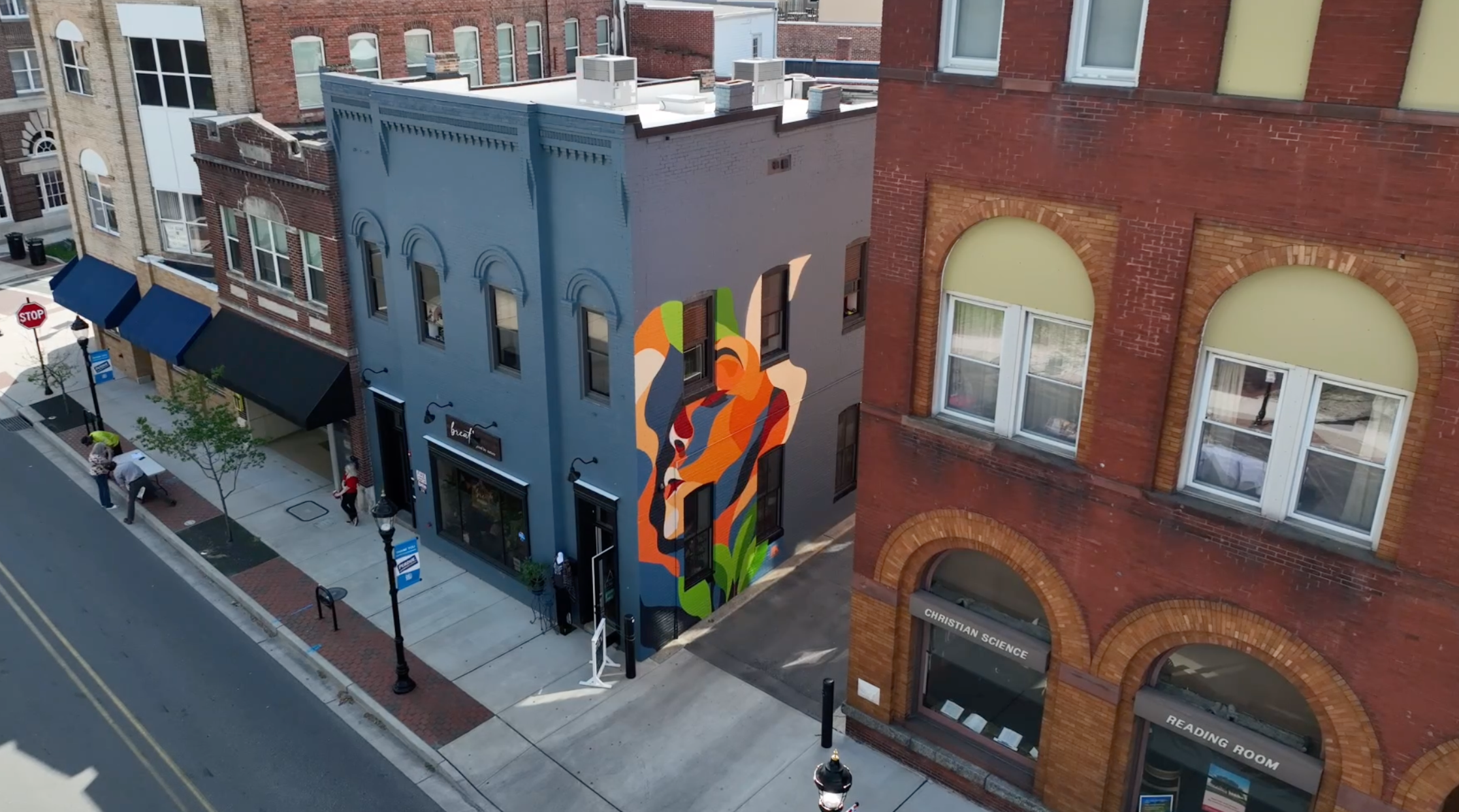
Our BREATHE mural is a strong example.
Instead of painting a new background across the entire wall, the design uses the existing surface as negative space. The imagery and lettering sit intentionally within that open area, allowing the artwork to feel balanced, clear and naturally integrated into the building.
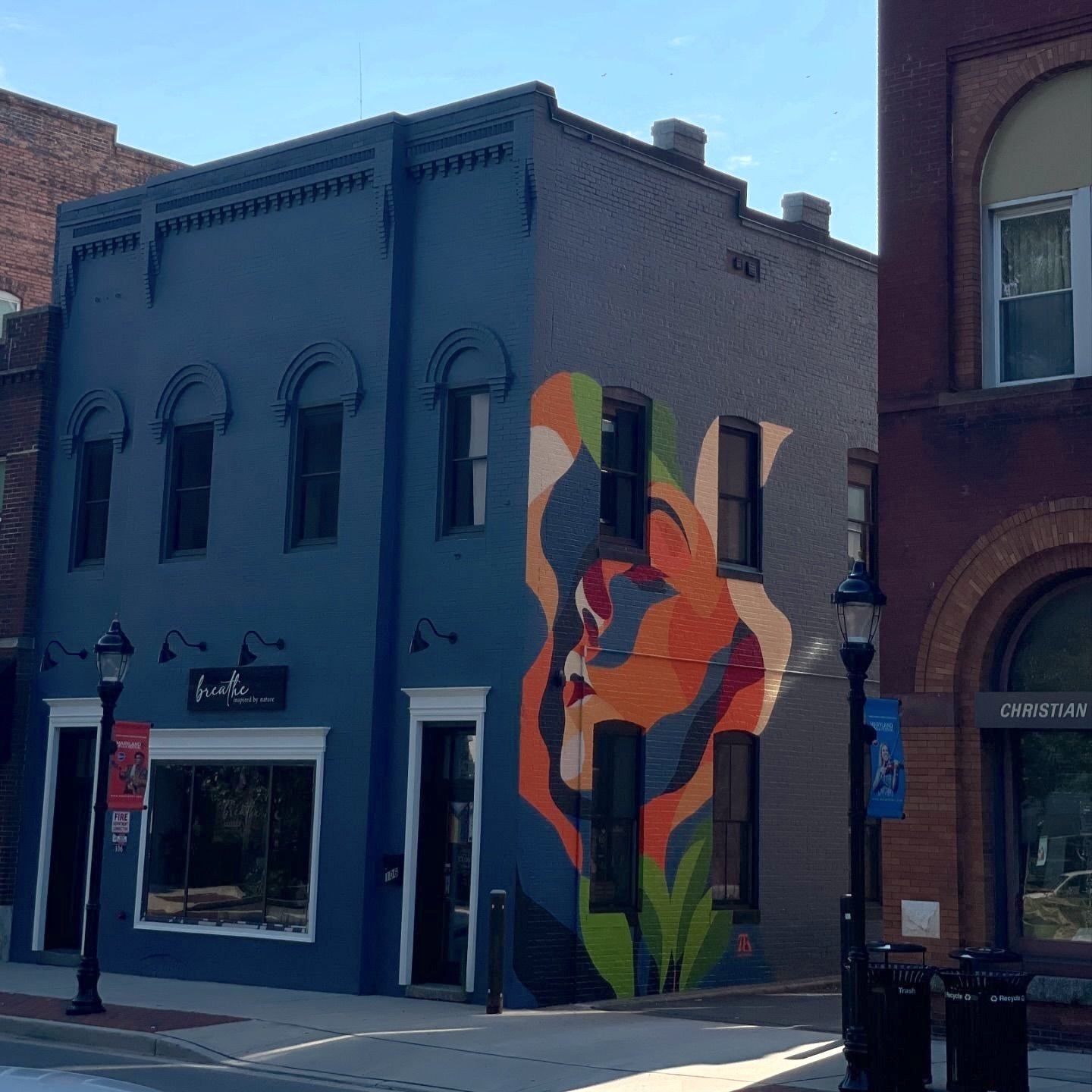
BREATHE shows how a mural can work with a building instead of covering every inch of it. The existing dark surface becomes part of the composition, giving the focused design room to breathe while preserving the character of the architecture.
This approach can sometimes reduce the amount of paint and production labor required. It can also be a thoughtful creative decision when:
The existing wall color complements the design
The architecture already has visual character
The client wants a cleaner or more minimal result
The artwork must work around doors, windows or other features
The available budget does not support painting the entire surface
A focused composition communicates the message more effectively
Open space does not mean the surrounding wall is ignored during the design process. The artist still needs to plan the complete composition, position the artwork correctly and consider how it will be viewed from different distances.
The goal is not always to use the most paint. The goal is to create the strongest artwork for the wall, location and available budget.
NOT SURE HOW MUCH OF YOUR WALL SHOULD BE PAINTED?
Tell us about the space, what you want the mural to accomplish and the budget you are considering. WALS can help determine an appropriate scope and creative direction for the project.
WHAT IS INCLUDED IN THE COST OF A PROFESSIONAL MURAL?
A mural estimate may include much more than the time spent physically painting a specific amount of wall space.
Depending on the project, the total cost may account for:
Initial project consultation
Site evaluation
Creative direction
Research and community input
Original mural design
Client presentations and revisions
Surface preparation
Paint and production materials
Artists and painting assistants
Lift, scaffolding or equipment rental
Travel and lodging
Permits and municipal coordination
Traffic or pedestrian management
Community painting activities
Protective coatings
Project management
Photography and documentation
Some of these services may be included within one project estimate. Others may appear as separate line items.
At WALS, we develop each estimate around the actual needs of the project rather than applying one rate to every wall.
WHAT FACTORS AFFECT THE COST OF A MURAL?
THE CONDITION OF THE WALL
A mural can only perform as well as the surface beneath it.
Before painting begins, the wall may need pressure washing, cleaning, scraping, patching, priming or removal of loose and failing paint.
Preparation is not the most visually exciting part of a mural, but skipping it can shorten the life of the finished artwork.
A wall in poor condition may also require repairs by the property owner or another qualified contractor before mural production can begin.
THE WALL MATERIAL
Murals can be painted on drywall, brick, concrete, stucco, wood, metal and other surfaces.
Each material absorbs and holds paint differently. Brick and heavily textured walls may require additional materials and labor. Corrugated metal can complicate measurements and create shadows that affect the design.
Some existing coatings must also be tested or prepared before new materials are applied.
DESIGN COMPLEXITY
A design with large shapes and a limited color palette will generally require less production time than a mural containing portraits, intricate patterns, extensive lettering or realistic imagery.
The design must also work with the building. Doors, windows, pipes, vents, downspouts and irregular wall shapes may need to be incorporated into the composition.
Complexity is not only about how the finished mural looks. It is also about how efficiently the design can be transferred and painted at scale.
CREATIVE DIRECTION AND DESIGN DEVELOPMENT
The artwork does not begin when paint touches the wall.
Before installation, a muralist may need to research the location, understand the client’s goals, explore visual directions, create concepts, prepare a digital rendering and revise the design based on feedback.
WALS does not provide speculative mural designs before a project agreement and deposit are in place. Developing an original concept requires professional time, research and creative labor.
Depending on the scope, design and creative-development services may be included within the complete project estimate or identified separately.
ACCESS AND EQUIPMENT
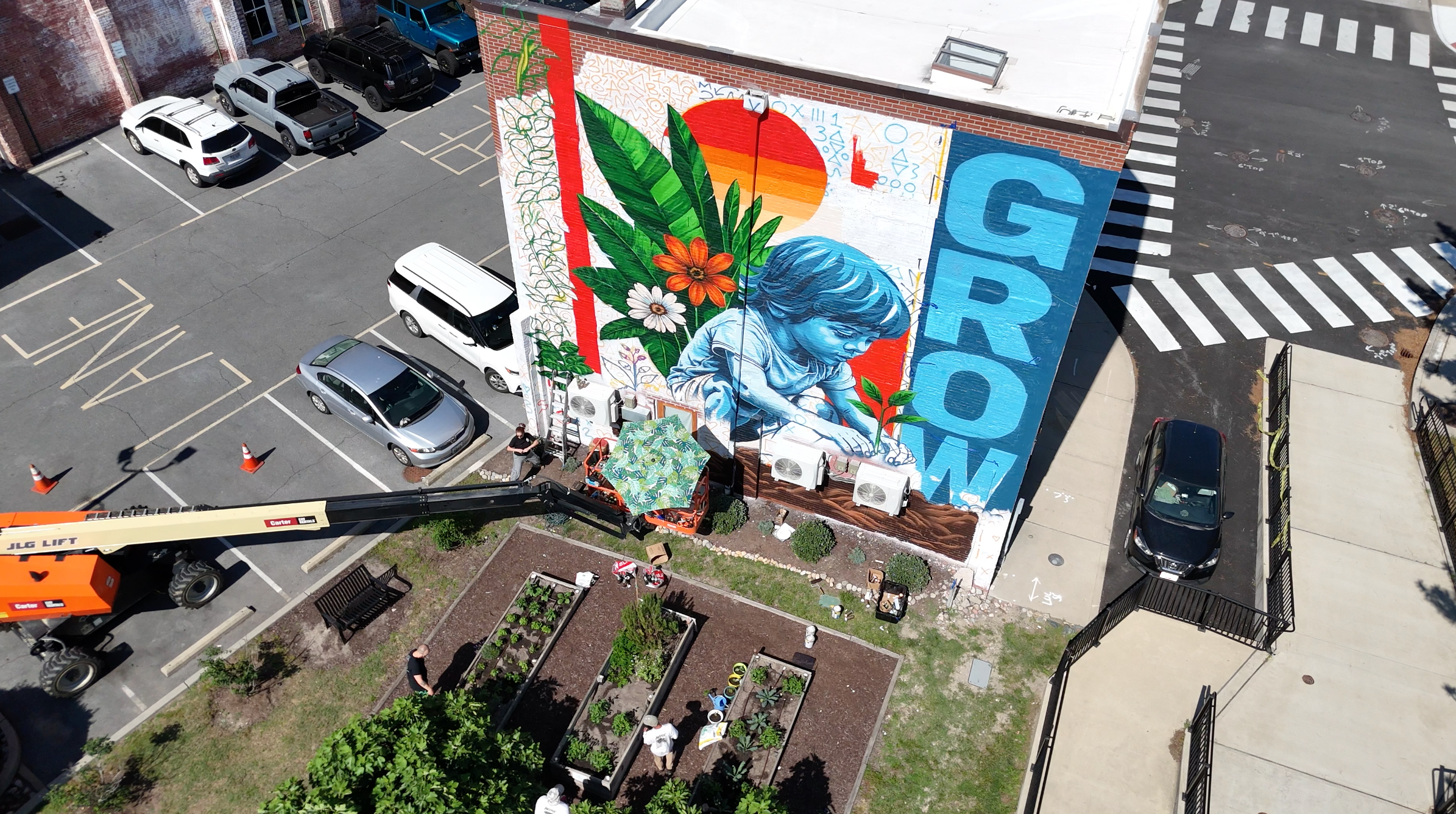
A wall that can be painted from the ground is less complicated than a four-story exterior requiring a boom lift.
Equipment costs may include:
Scissor lifts
Boom lifts
Scaffolding
Safety equipment
Generators
Pressure washers
Spray equipment
Temporary barriers
Traffic-control materials
Equipment availability, delivery fees, ground conditions and operator requirements can all affect the budget.
Crown Sports Center required extensive preparation and specialized equipment to transform approximately 8,000 square feet of corrugated exterior.
Sun and Suds involved a ribbed industrial surface, uneven ground, railway coordination and multiple architectural obstacles.
These projects demonstrate why murals with similar measurements can require very different production plans.
THE NUMBER OF ARTISTS
Large projects may need a production team to meet the schedule and maintain quality.
A mural budget may include a lead artist, creative director, muralists, painting assistants, project coordinators and specialized contractors.
WALS works with a growing network of artists and assistants. Building the right team allows us to match the project’s scale, style and schedule while creating paid opportunities for other working artists.
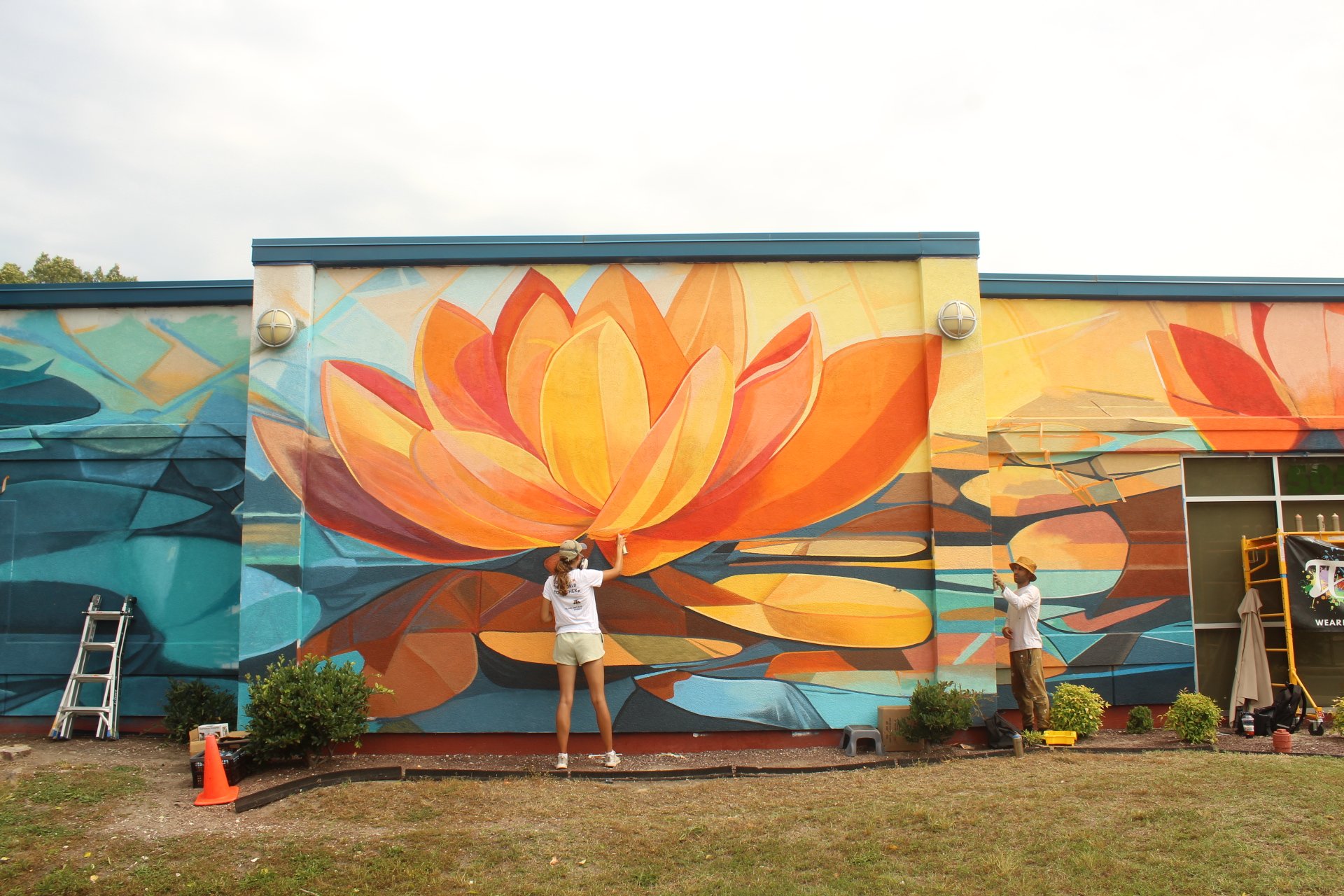
Larger murals often require multiple artists working together across different sections of the design. The right production team helps maintain consistency, manage the scale of the wall and complete the installation within the project schedule.
LOCATION AND TRAVEL
Projects outside our immediate service area may require travel, lodging, transportation and additional equipment coordination.
A remote project may also require an extended site visit or local partners who can help with access, permits and logistics.
WALS is based in Salisbury, Maryland, and serves the Delmarva Peninsula and beyond. Travel is evaluated as part of each project’s individual scope.
COMMUNITY ENGAGEMENT
A community mural is not priced the same way as an installation completed entirely by a professional mural team.
Community-engaged projects may include:
Surveys
Stakeholder interviews
Public conversations
Classroom activities
Community design workshops
Volunteer registration
Public paint days
Instruction and supervision
Additional materials
Events and unveilings
These elements require planning, communication, staffing and an artwork designed specifically for public participation.
For the Salisbury Zoo mural, WALS coordinated an experience involving more than 100 volunteers, families and staff members.
Streets of Solidarity brought together lead artists, emerging artists and more than 55 community volunteers across a 5,000-square-foot ground mural.
The final artwork matters, but so does the experience created around it.

Streets of Solidarity was shaped through months of community input and brought together lead artists, nine emerging artists and more than 55 volunteers. Community engagement extends beyond a public paint day and can include listening, planning, artist coordination, instruction and a shared celebration of the finished work.
APPROVALS, PERMITS AND COORDINATION
Public-facing murals may require approval from a property owner, municipality, historic district, arts commission or another governing body.
Projects near roads, sidewalks, railways or public facilities may also involve additional safety and access requirements.
For Something to Smile About in Ocean City, WALS worked with the Recreation and Parks Department and navigated the municipal approval process before creating the mural.
Sun and Suds required federal railway coordination because of the wall’s location.
Experienced coordination helps identify these requirements before they become costly problems during production.
HOW DO INTERIOR AND EXTERIOR CONDITIONS AFFECT MURAL PRICING?
The location of a mural affects how the project must be designed, prepared and installed. Interior and exterior projects can both fall within WALS’s general planning range, but each environment introduces different production requirements.
INTERIOR MURAL CONSIDERATIONS
An interior mural may fall closer to the lower end of the pricing range when the wall is smooth, accessible and ready to paint. However, a smaller interior mural is not automatically inexpensive.
Interior artwork is often viewed from only a few feet away. Portraits, intricate patterns, lettering and other detailed imagery may require considerably more time per square foot than a simplified exterior design viewed from across a street.
Tall ceilings, occupied work areas, limited painting hours, ventilation requirements and the need to protect furniture or flooring can also affect the production plan.
Professional muralists may establish a minimum project rate because consultation, design, materials, travel and setup are required regardless of the wall’s size.
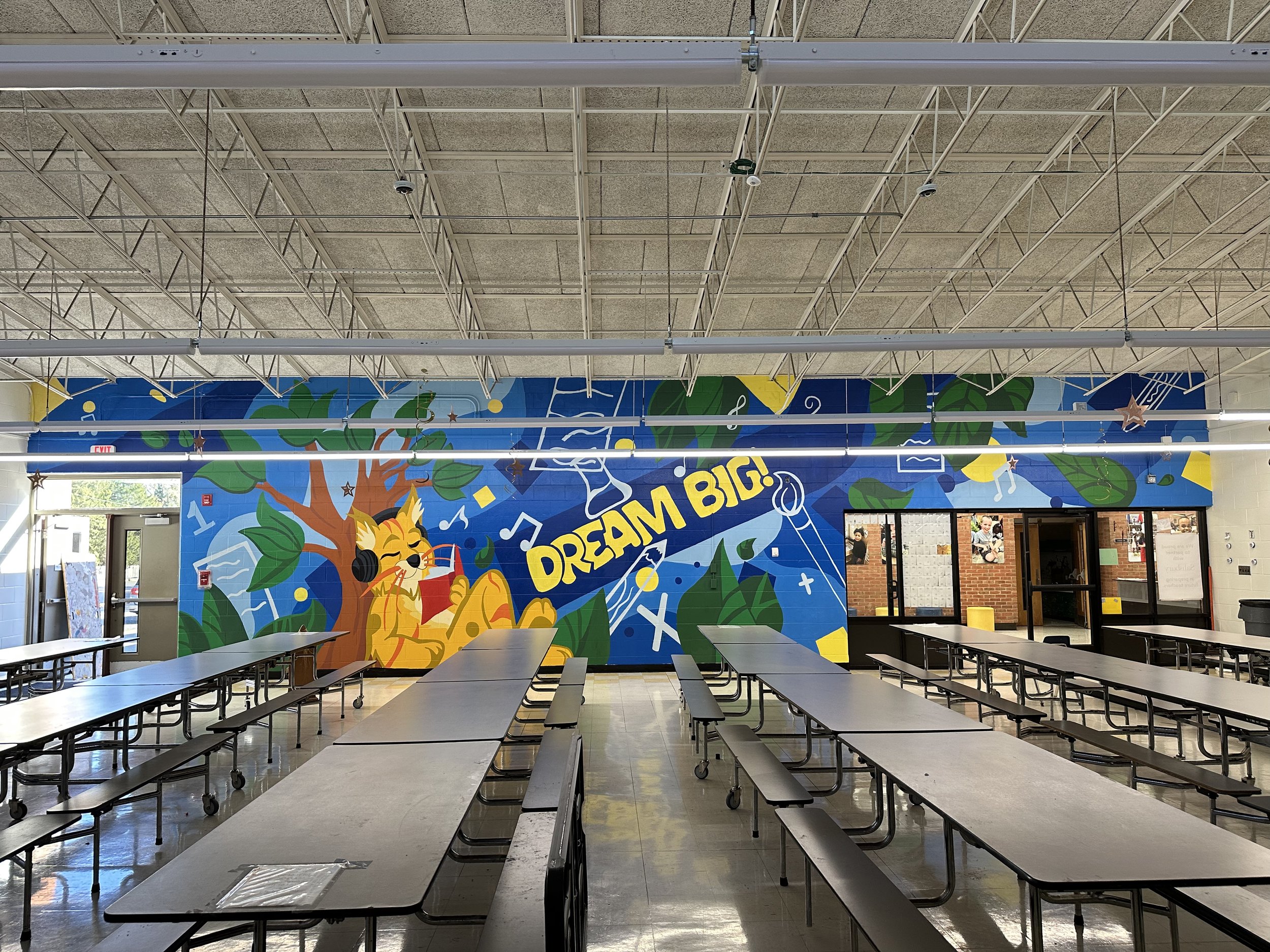
The Dream Big mural at Princess Anne Elementary was designed around the scale and daily function of an active school cafeteria. Its textured block surface, tall wall, entrances, fixtures and close viewing distance all shaped the design and production plan.
EXTERIOR MURAL CONSIDERATIONS
Exterior murals must account for the building material, surface condition, accessibility and long-term exposure to the elements.
A smooth, accessible exterior with a simplified design may fall closer to the lower end of the pricing range. A large brick or corrugated surface requiring extensive preparation, lift equipment, detailed artwork or complex approvals may move toward the higher end or beyond it.
Exterior estimates may also account for weather, surface repairs, durable materials, protective coatings, traffic control, permits and exposure to sunlight and moisture.
Two murals with the same measurements can therefore have substantially different budgets depending on where and how they must be installed.
HOW COMMUNITY ENGAGEMENT AFFECTS MURAL PRICING
A community mural budget depends on both the artwork and the level of public participation.
A smaller community paint day using a professionally prepared design may require a moderate increase beyond the mural installation itself.
A larger initiative involving months of engagement, multiple artists, volunteers, programming and public events may require a significantly larger budget.
A complete community mural budget may need to cover:
Engagement and research
Artist and facilitator fees
Design development
Wall preparation
Painting materials
Volunteer supplies
Staff and supervision
Equipment
Insurance
Documentation
Events and programming
Long-term maintenance
If community participation is an important goal, it should be included in the budget from the beginning. It should not be added as an afterthought once the design and production plan have already been completed.
WHEN DOES DESIGN WORK BEGIN?
Custom design and project planning begin after the project scope has been approved, an agreement has been signed and the required initial payment has been received.
This allows WALS to begin the research, creative development, scheduling, material planning and production coordination required for the project.
Because every mural is developed specifically for its client and location, WALS does not create speculative mural concepts before a project has been formally approved.
HOW LONG DOES THE MURAL PROCESS TAKE?
The schedule depends on the scale and complexity of the project.
A typical process may include:
Initial inquiry and consultation
Site evaluation
Scope and estimate
Agreement and deposit
Research and creative direction
Concept development
Client feedback and revisions
Final design approval
Wall preparation
Mural installation
Final review and documentation
Design development may require several weeks depending on the complexity of the artwork, research involved, number of decision-makers and speed of client feedback.
The actual painting may take several days or several weeks. Weather, wall conditions, equipment and community programming can all affect the timeline.
Starting the conversation early gives everyone more time to plan the project properly.
WHAT INFORMATION HELPS WALS PREPARE AN ESTIMATE?
You do not need to have the mural completely figured out before contacting WALS.
However, the following information will help us understand the opportunity:
APPROXIMATE MEASUREMENTS
Provide the width and height of the available surface. Estimates are helpful even if the measurements are not exact.
THE PROPERTY LOCATION
The location helps us evaluate travel, visibility, access and possible approval requirements.
PROPERTY-OWNER AUTHORIZATION
If you do not own the building, identify the property owner and determine whether they are open to the project.
THE PROJECT’S PURPOSE
Tell us what you want the mural to accomplish.
Are you improving a business exterior, communicating a message, recognizing local history, involving students, creating a landmark or activating a public space?
YOUR DESIRED TIMELINE
Let us know whether the project is connected to an opening, event, funding deadline or construction schedule.
YOUR APPROXIMATE BUDGET
A realistic budget helps us recommend an appropriate scale and creative approach.
Sharing a budget does not mean the estimate will automatically use every available dollar. It helps prevent the development of a concept that cannot be produced within your limits.
THE PEOPLE INVOLVED IN APPROVAL
Identify who will review the concept and make the final decisions. A clear approval process helps prevent delays and conflicting feedback.
WHY THE LOWEST ESTIMATE MAY NOT PRODUCE THE LOWEST FINAL COST
Price matters, but the lowest initial estimate does not always represent the best value.
Before choosing a mural artist or company, consider whether the proposal accounts for:
Original design development
Proper surface preparation
Professional materials
Equipment and safety
Insurance
Project management
Clear revisions and approvals
Experienced installation
Long-term durability
A written agreement
Problems involving preparation, access, materials or approvals can become expensive once a project is underway.
A professional mural partner should help identify those issues before production begins.
WHAT ARE YOU ACTUALLY INVESTING IN?
A successful mural is more than a painted wall.
For a business, it can create visibility, communicate identity and turn a property into a recognizable landmark.
For a school, it can support education, belonging and student participation.
For a municipality or developer, it can activate a public space, strengthen community identity and contribute to a larger placemaking strategy.
For a nonprofit or community organization, it can make an important story, mission or message visible.
The strongest mural projects begin by identifying what the artwork should accomplish. The design, production plan and budget should then be built around that purpose.
READY TO UNDERSTAND WHAT YOUR MURAL COULD COST?
Every wall is different, and every meaningful mural begins with a conversation.
WALS works with businesses, property owners, schools, municipalities, developers, nonprofits and community organizations to develop mural projects from the first idea through final installation.
Share a few details about your wall, location, goals and approximate budget. We can help you understand the possibilities and determine the right next step.
